Jeffrey's Dragonfly Hunting Resources
by J. R. Lee, M.A. Philosophy, Physics maj.
Print
Ed Lam's Dragonflies of North America (Princeton Field Guides) is an exemplar for the kind of guide every taxonomic suborder enthusiast would like to have. It's too big to take into the field, but when I'm at my PC reviewing my shots I use Lam for identification. Can wing venation be important? You betcha. And, Lam will show you. Worth well over $50, but I got mine at Amazon for less than $20.

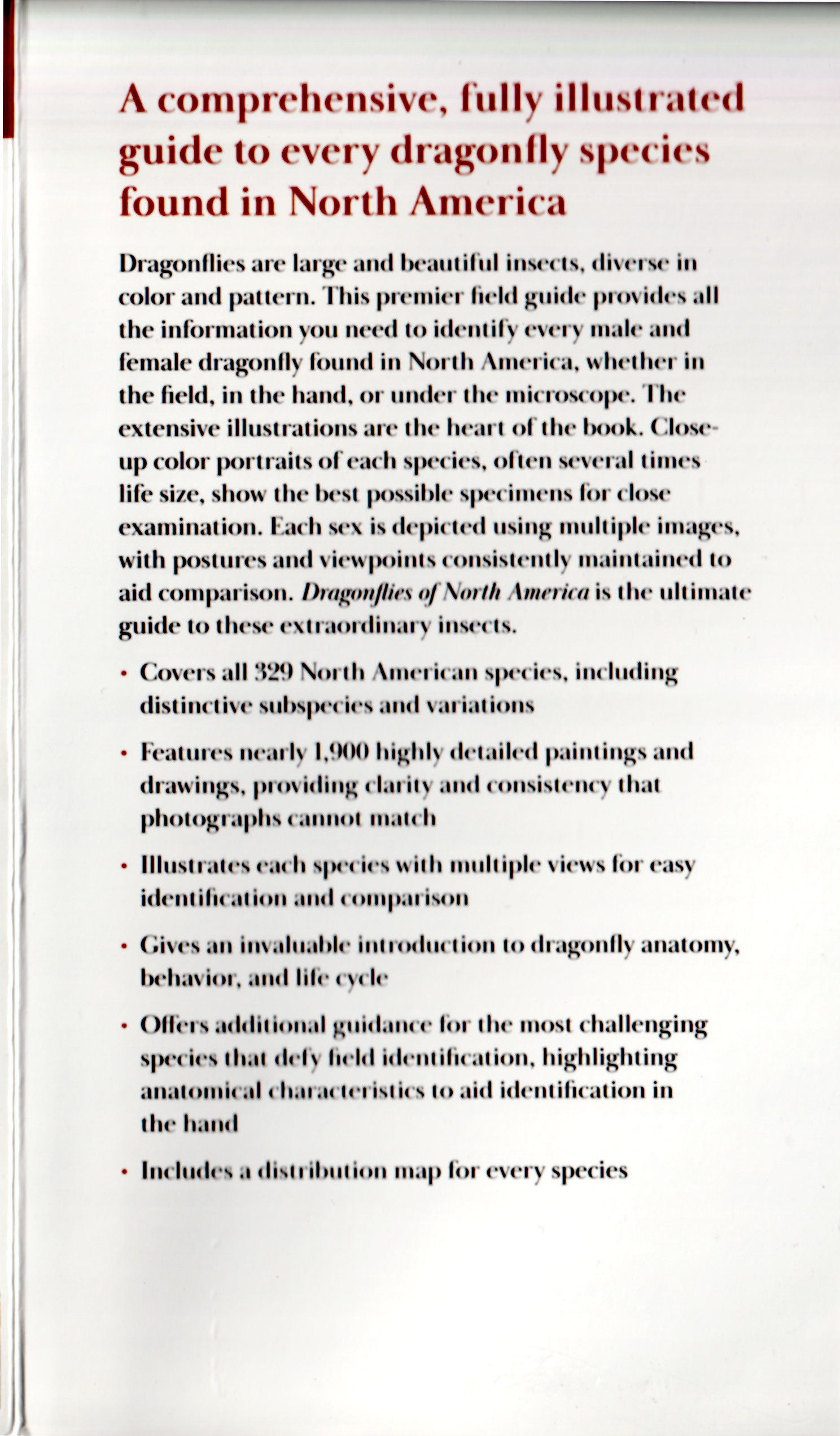
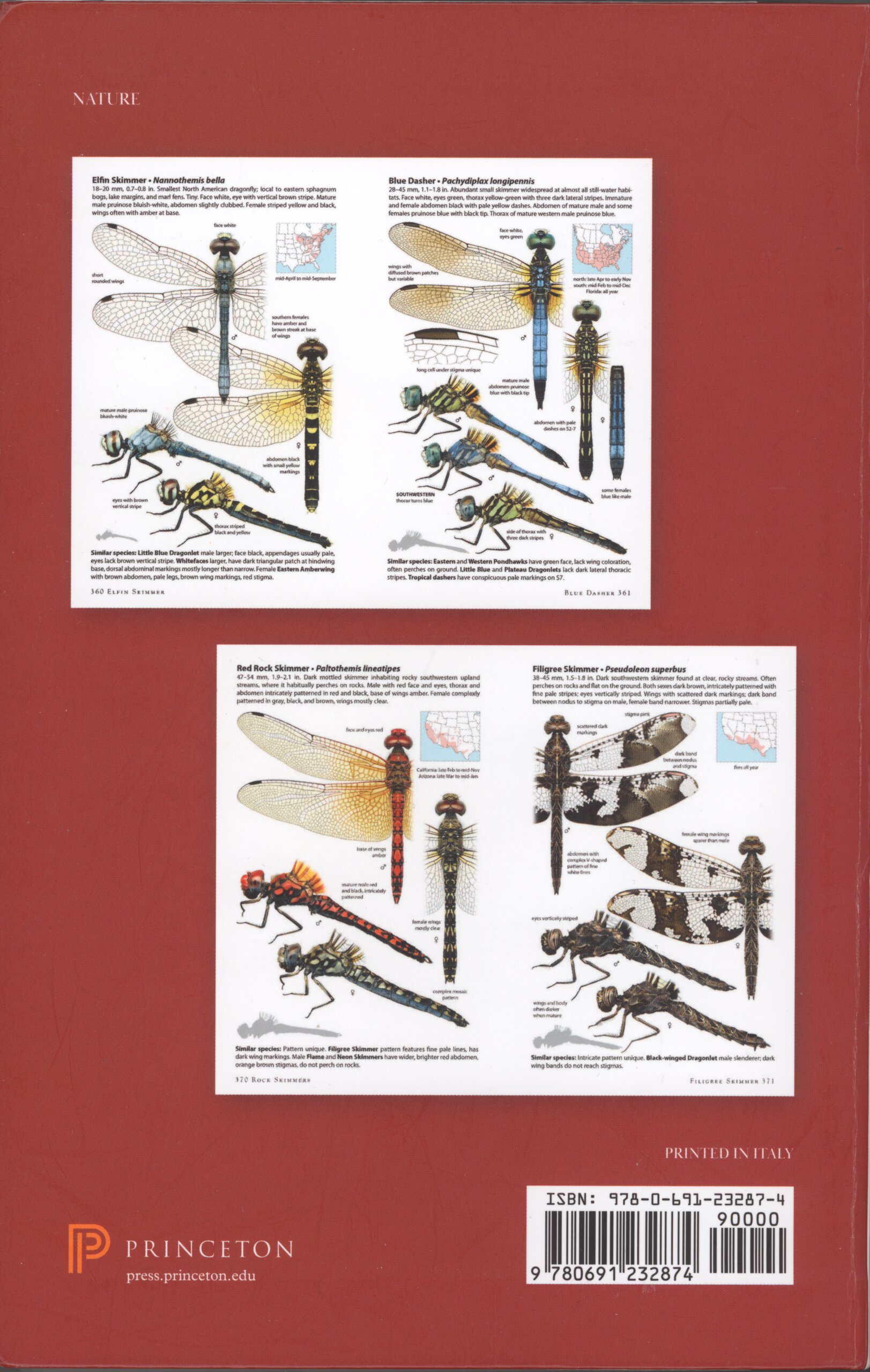
Lam covers 329 species. These cover all of North America. Where I live though, Medina, Ohio doesn't have all these species. The Ohio Odonata Society has a no less remarkable website (https://www.ohioodonatasociety.org/) than Lam does book. Look at Dragonfly Statistics & Records then Ohio County List with your selected county and you'll see such things as last sighting. Sifting through list, I'd only expect to find 24 species in the region in which I live.
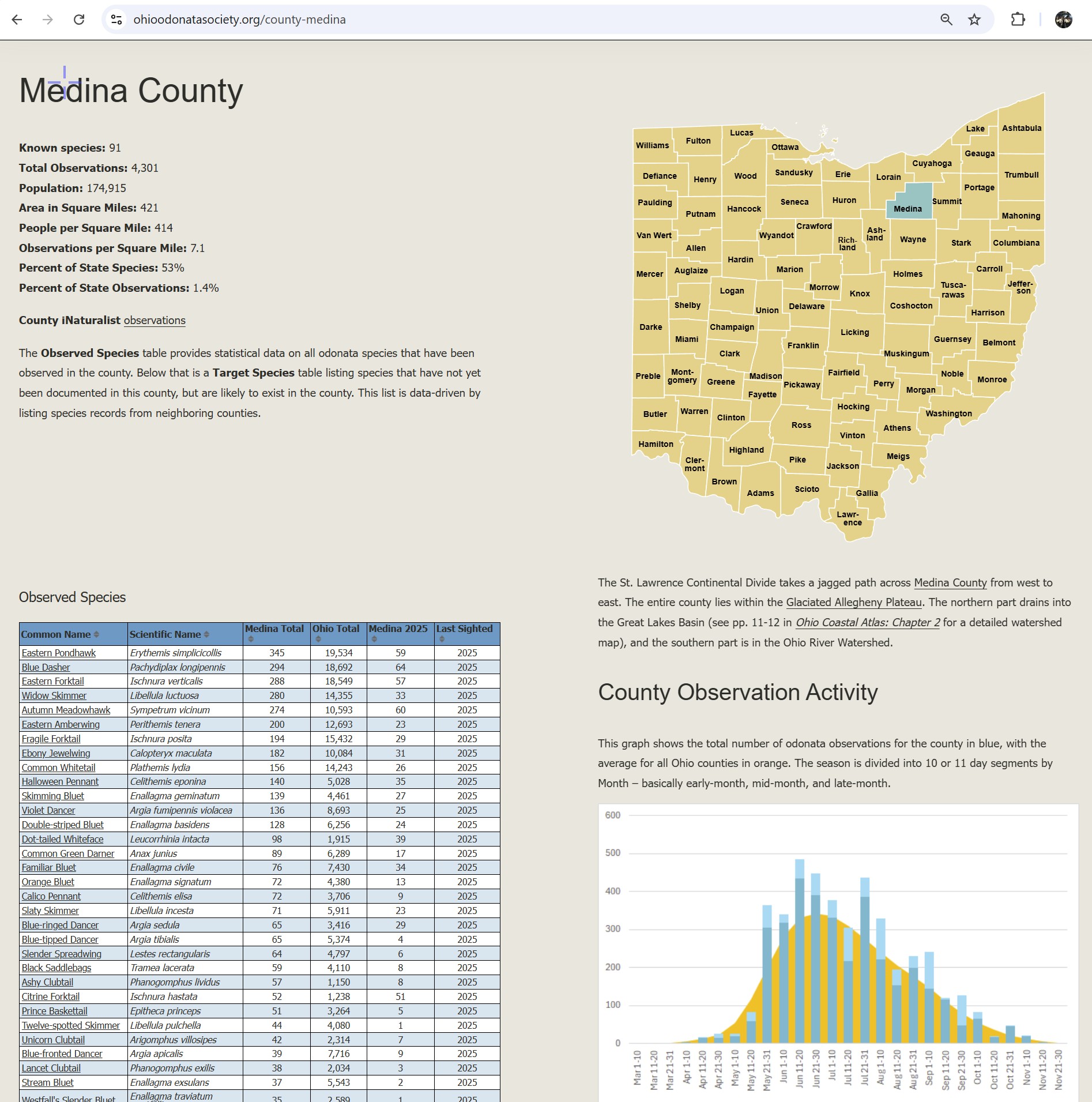
Note, that the table includes Damselflies indiscriminately with Dragonflies. They both belong to the order of Odonata. Dragonflies are of the Anisoptera suborder and damselflies are of the Zygoptera suborder. You'll be able to sort them out by looking in the back of Lam. https://www.ohioodonatasociety.org/ is chock full of more useful data including flight dates, book lists and a newsletter.
One more valuable publication is the Ohio Division of Wildlife's Dragonflies and Damselflies of Ohio Field Guide. In paper it fits in a pocket and its scope corresponds better to what you'd see in Ohio. It also lists "some exceptional habitats to explore" that I hope to investigate in 2027.

Tools
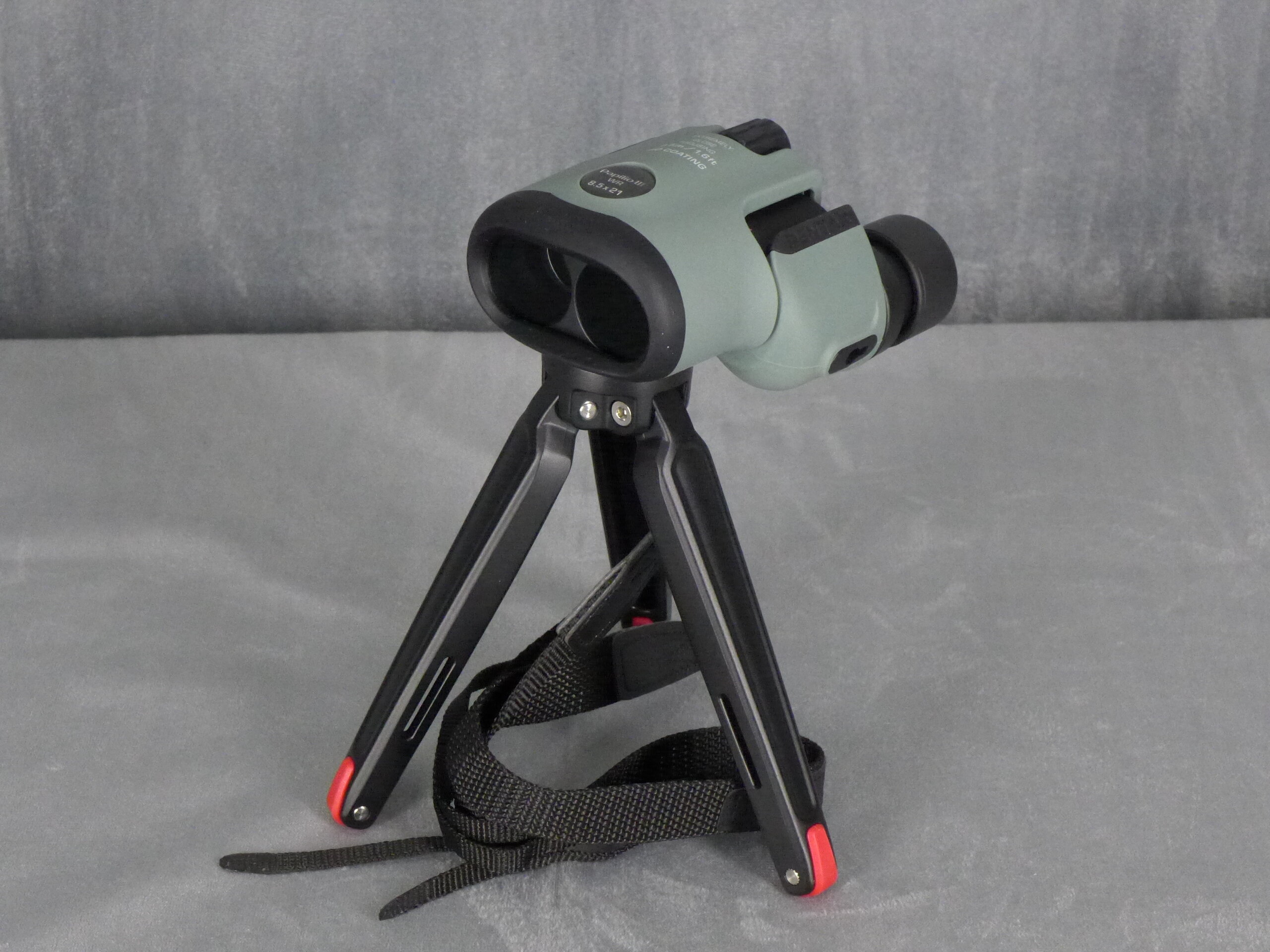
I recently discovered the Pentax Papilio III 8.5x21 WR Compact Binocular. What makes these exceptional is that they focus as close as 1.6 feet. Generally speaking though, getting closer than 4 feet to a dragonfly isn't going to happen. But 1.6 feet is useful for other insects. Whatever the situation though, what you see through good quality binoculars will look better than with a mirrorless camera's electronic display.
Lately, I have been using my Panasonic Lumix GX85 mirrorless MFT camera with Panasonic LUMIX G Vario 100-300mm f/4-5.6 II POWER O.I.S. Lens for all still photography of dragonflies. I can focus as close as 5 feet which at 300mm will typically fill the frame with dragonfly. I routinely shoot at ISO 1600 and the dual (lens and body) optical image stabilization yields a sharp image even though hand held. All is not golden though. Auto focus doesn't work in every situation and the manual focusing collar doesn't always work smoothly.
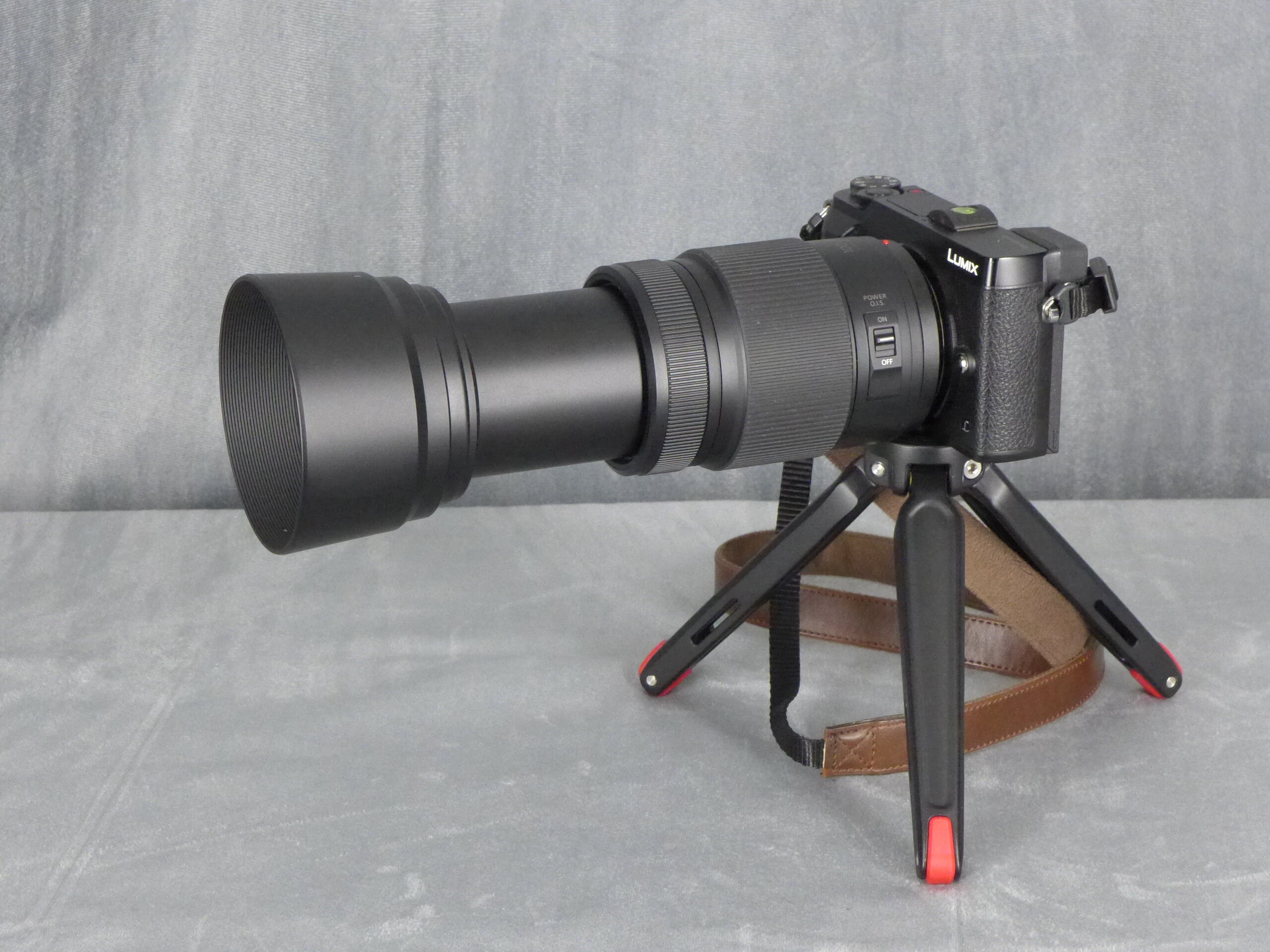
IMHO, using a MFT is the way to go due to it being lighter in weight and dimensionally smaller than full frame (35mm) cameras. Less costly too.
When I am out in the field I will have a general purpose camera (Panasonic Lumix DMC-LX7) slung over one shoulder, the GX85 with 100-300 slung over the other shoulder, and the Papilio Binocular hanging from my neck. In my back pocket I carry spare batteries for the cameras. I use a fitness app to track my location on my phone.
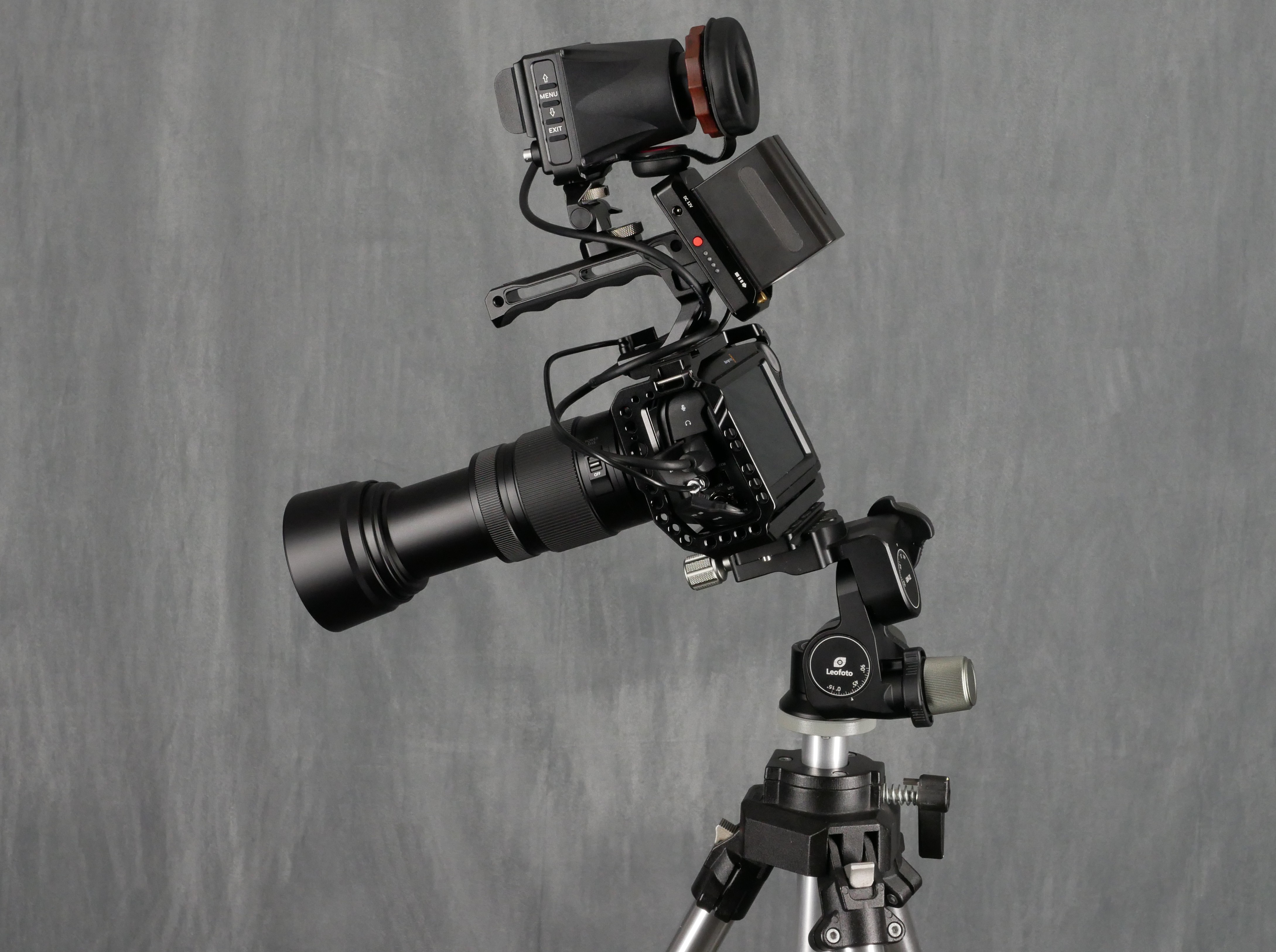
The GX85 will do a satisfactory job of motion picture photography, but if I have a planned motion picture shoot, I will use my Black Magic Pocket Cinema Camera 4K. It has a marvelous "film" mode that extends dynamic range and it can also shoot with less compression than the GX85. It is also an MFT camera (but bulkier) so I'll use the same Panasonic LUMIX G Vario 100-300mm f/4-5.6 II POWER O.I.S. Lens. So far, I have only used the BMPCC 4K on a tripod. Obviously one wouldn't use O.I.S. on a tripod and furthermore the BMPCC 4K doesn't have O.I.S. To edit the BMPCC 4K footage I use Davinci Resolve which is available at no cost in its standard, yet quite capable, version.